EDITOR’S NOTE: PETS+ is the media partner for GROOM’D, the annual grooming-focused pet trade show presented by World Pet Association. The PETS+ team will be reporting live from Atlanta, GA, Friday through Sunday. To not miss any of the action, like our Facebook page and sign up for the daily GROOM’D ebulletin at petsplusmag.com/subscribe.
Denise Heroux’s “Mastering Price Increases: Communicate with Confidence, Grow with Intention” session was packed with business owners looking for tips on how to raise prices without losing clients. She explained that it’s not just about crunching numbers or randomly choosing a new price for a service; it’s also about communicating openly with clients and choosing the right moment to do it.
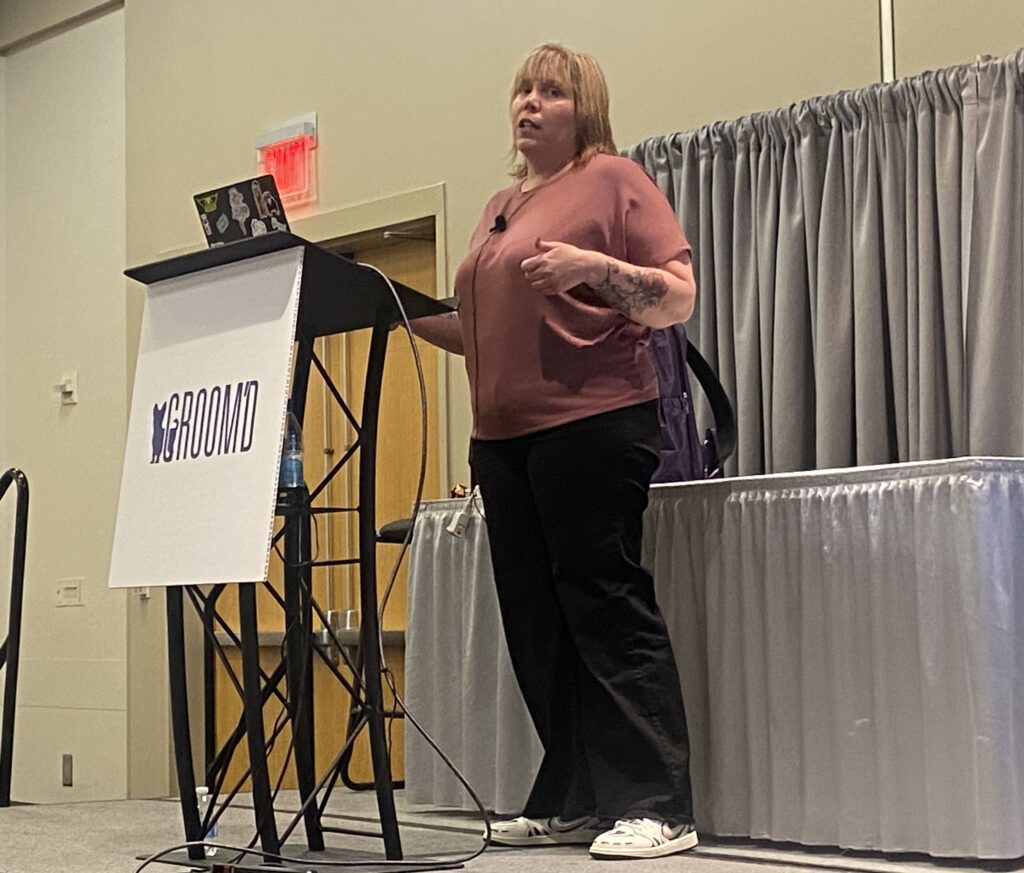
Denise Heroux’s “Mastering Price Increases: Communicate with Confidence, Grow with Intention” session was packed.
Numbers don’t lie, so when analyzing how much to raise your prices, take your emotions out of the equation. Instead, consider:
- Know your numbers. Understand your cost to do business (overhead) and personal expenses. Having a budget and sticking to it is also a must.
- Cost of inflation and cost of living increase
- When your last price increase was, and if it covered rising expenses
- Spending habits of your customers, as well as average household income
- Your competitors’ pricing
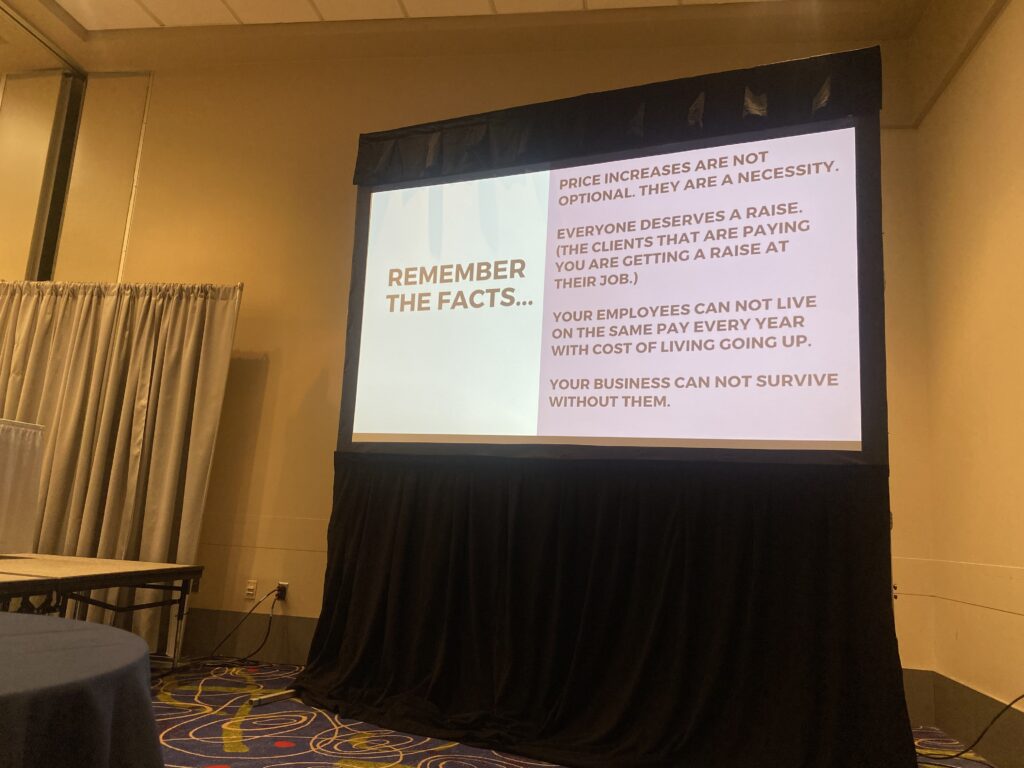
If you do not have regular price increases, you risk your business falling behind during challenging times. Businesses cannot survive without raising prices.
Advertisement
Heroux recommends, based on past experience, increasing pricing annually. A good time to do it is March to April (when we’re all beginning to experience better weather and are getting tax returns). However, consistency is key, so when you choose a certain month, stick with it.
Giving clients advance notice of an upcoming price increase can also help reduce pushback. Heroux recommends providing one to two months’ notice before the change takes effect. When discussing the increase with clients who are concerned or upset, she advises owners to stop apologizing. Instead, remove emotion from the conversation and focus on the facts, such as rising operating costs or the need to provide fair wages for employees.
While it’s important to empathize with clients, Heroux emphasized that business owners should not negotiate their prices. Clients may leave for many different reasons, not just because of price increases, so owners shouldn’t take it personally. Doing so often leads back to emotional pricing decisions.
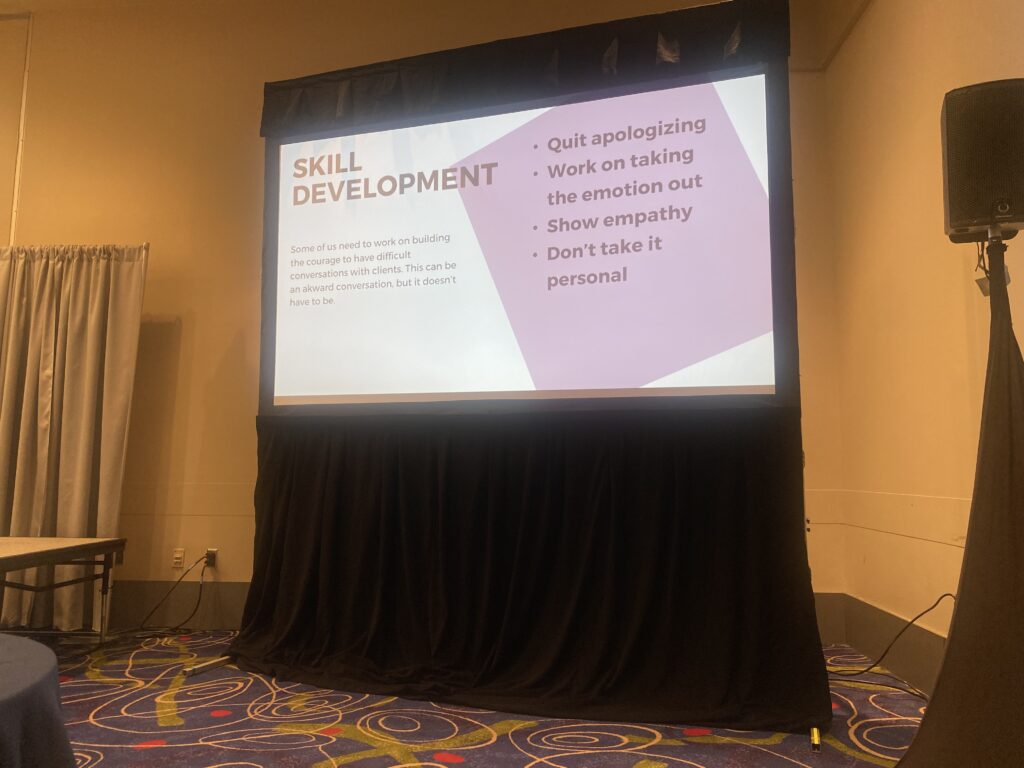
The more facts you have to support your decision, the more confident you will sound when explaining it. Stand behind your pricing, avoid negotiating your worth, and remember that practice makes these difficult conversations much easier over time.
Read more PETS+ coverage of GROOM’D 2026.
Advertisement